
Athlete’s Foot Explained

Athlete's foot is a common fungal infection that affects the skin on the feet. It is caused by fungi that thrive in warm moist environments, such as locker rooms and sweaty shoes. This condition often appears between the toes, but can also spread to the soles and sides of the feet. Risk factors include poor foot hygiene, wearing tight footwear, and frequent exposure to damp surfaces. Symptoms include itching, burning, redness, peeling skin, and sometimes cracking or blistering. A podiatrist can diagnose the infection accurately, providing care advice and effective treatment options including antifungal medications. If you have symptoms of athlete’s foot, it  is suggested that you consult a podiatrist who can offer treatment solutions, which may include prescribed medication.

Athlete’s foot is an inconvenient condition that can be easily reduced with the proper treatment. If you have any concerns about your feet and ankles, contact Tanya R. Sellers-Hannibal, DPM from Maryland.  Our doctor will treat your foot and ankle needs.

Athlete’s Foot: The Sole Story

Athlete's foot, also known as tinea pedis, can be an extremely contagious foot infection. It is commonly contracted in public changing areas and bathrooms, dormitory style living quarters, around locker rooms and public swimming pools, or anywhere your feet often come into contact with other people.

Solutions to Combat Athlete’s Foot

  • Hydrate your feet by using lotion
  • Exfoliate
  • Buff off nails
  • Use of anti-fungal products
  • Examine your feet and visit your doctor if any suspicious blisters or cuts develop

Athlete’s foot can cause many irritating symptoms such as dry and flaking skin, itching, and redness. Some more severe symptoms can include bleeding and cracked skin, intense itching and burning, and even pain when walking. In the worst cases, Athlete’s foot can cause blistering as well. Speak to your podiatrist for a better understanding of the different causes of Athlete’s foot, as well as help in determining which treatment options are best for you.

If you have any questions please feel free to contact our office located in Owings Mills, MD . We offer the newest diagnostic and treatment technologies for all your foot and ankle needs.

Read more about Athlete’s Foot

Do You Suffer From Painful Feet?

Painful deformities, such as hammertoes, can be treated. Stop living with foot pain, and have beautiful feet again!

How a Simple Procedure Can Relieve Painful Ingrown Toenails

When the edge of a toenail grows into the surrounding skin, it can cause swelling, redness, and sharp pain with every step. Home care may help early, but ongoing discomfort often needs a minor in-office solution. One effective approach removes a narrow strip from the center portion of the nail. This creates space along the sides so the skin can heal without pressure. The procedure is quick, done with local numbing, and most patients return to normal activity soon after. Complications are uncommon when performed by a trained podiatrist. Proper trimming habits and shoe choices can also reduce future problems. Keeping the area clean and protected during healing helps lower risk of recurrence. If you have a persistent ingrown toenail, drainage, or signs of infection, it is suggested that you see a podiatrist for an accurate diagnosis and appropriate care.

Ingrown toenails may initially present themselves as a minor discomfort, but they may progress into an infection in the skin without proper treatment. For more information about ingrown toenails, contact Tanya R. Sellers-Hannibal, DPM of Maryland. Our doctor can provide the care you need to keep you pain-free and on your feet.

Ingrown Toenails

Ingrown toenails are caused when the corner or side of a toenail grows into the soft flesh surrounding it. They often result in redness, swelling, pain, and in some cases, infection. This condition typically affects the big toe and may recur if it is not treated properly.

Causes

  • Improper toenail trimming
  • Genetics
  • Improper shoe fitting
  • Injury from pedicures or nail picking
  • Abnormal gait
  • Poor hygiene

You are more likely to develop an ingrown toenail if you are obese, have diabetes, arthritis, or have any fungal infection in your nails. Additionally, people who have foot or toe deformities are at a higher risk of developing an ingrown toenail.

Symptoms

Some symptoms of ingrown toenails are redness, swelling, and pain. In rare cases, there may be a yellowish drainage coming from the nail.

Treatment

Ignoring an ingrown toenail can have serious complications. Infections of the nail border can progress to a deeper soft-tissue infection, which can then turn into a bone infection. You should always speak with your podiatrist if you suspect you have an ingrown toenail, especially if you have diabetes or poor circulation.

If you have any questions, please feel free to contact our office located in Owings Mills, MD . We offer the newest diagnostic and treatment technologies for all your foot care needs.

Read more about Ingrown Toenail Care

Protecting Your Feet When You Have Diabetes

Foot care is especially important for people living with diabetes. High blood sugar can damage nerves and reduce circulation, which makes it harder to feel injuries and slower for wounds to heal. Because of this, small problems can quickly become serious if they are not noticed early. Daily foot checks help identify cuts, blisters, redness, or swelling before they worsen. Looking between the toes and along the soles of the feet is important, since these areas are often overlooked. Muscle strengthening exercises can also support foot stability and improve balance, which may help prevent injuries. Wearing properly fitted shoes and keeping skin clean and dry are also helpful habits. Even when feet appear healthy, it is suggested that you schedule regular visits with a podiatrist who can provide professional evaluation and preventive care.

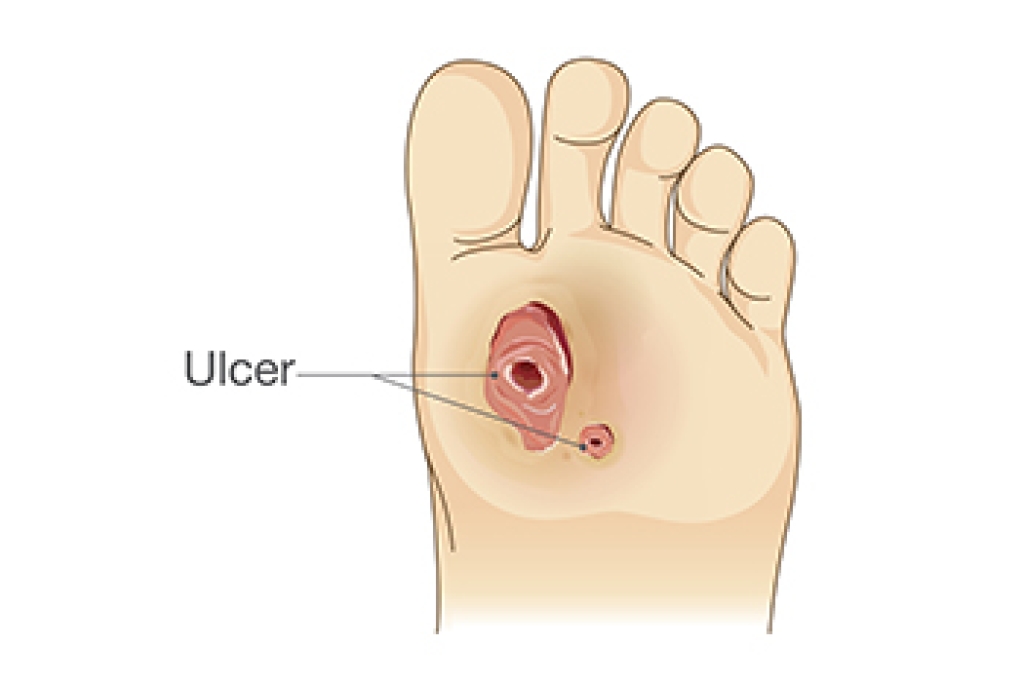
Diabetic foot care is important in preventing foot ailments such as ulcers. If you are suffering from diabetes or have any other concerns about your feet, contact Tanya R. Sellers-Hannibal, DPM from Maryland. Our doctor can provide the care you need to keep you pain-free and on your feet.

Diabetic Foot Care

Diabetes affects millions of people every year. The condition can damage blood vessels in many parts of the body, especially the feet. Because of this, taking care of your feet is essential if you have diabetes, and having a podiatrist help monitor your foot health is highly recommended.

The Importance of Caring for Your Feet

  • Routinely inspect your feet for bruises or sores.
  • Wear socks that fit your feet comfortably.
  • Wear comfortable shoes that provide adequate support.

Patients with diabetes should have their doctor monitor their blood levels, as blood sugar levels play such a huge role in diabetic care. Monitoring these levels on a regular basis is highly advised.

It is always best to inform your healthcare professional of any concerns you may have regarding your feet, especially for diabetic patients. Early treatment and routine foot examinations are keys to maintaining proper health, especially because severe complications can arise if proper treatment is not applied.

If you have any questions, please feel free to contact our office located in Owings Mills, MD . We offer the newest diagnostic and treatment technologies for all your foot care needs.

Read more about Diabetic Foot Conditions

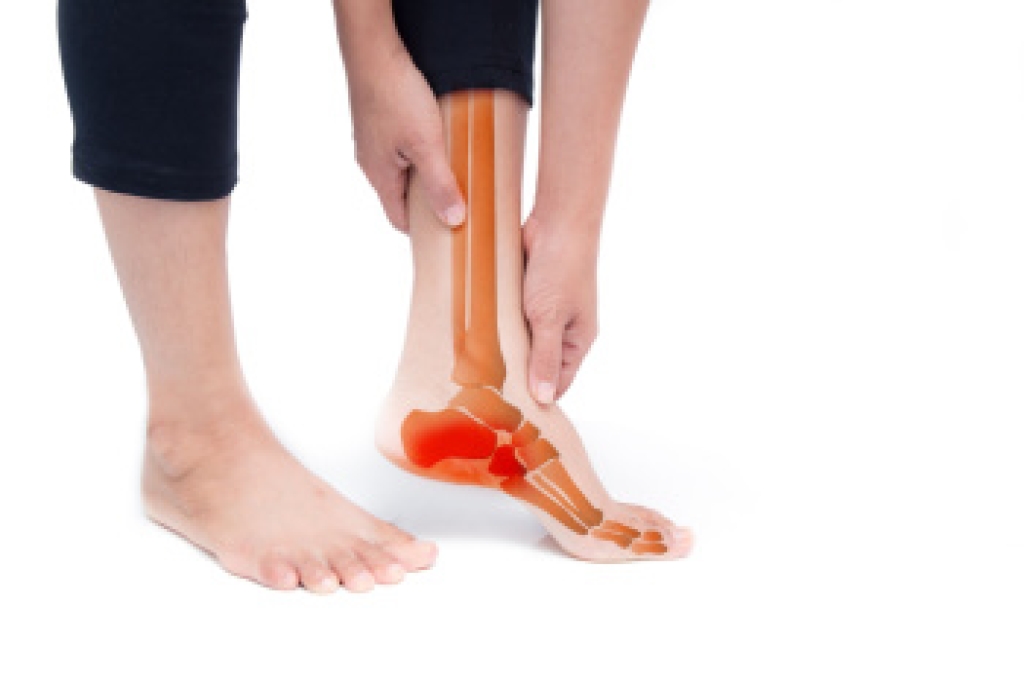
When Scar Tissue Causes Foot or Ankle Pain

Scar tissue can develop in the foot or ankle after an injury, surgery, or repeated strain to the soft tissues. It forms as the body repairs damaged areas, but the new tissue is often thicker and less flexible than the original structure. When scar tissue builds up around muscles, tendons, or ligaments, it may limit normal movement and create ongoing discomfort. Some people notice stiffness, tenderness, or a pulling sensation during walking or exercise. Treatment often focuses on restoring mobility and reducing irritation in the affected area. Gentle stretching, targeted exercises, and focused massage techniques may help improve flexibility and circulation. Wearing supportive footwear and activity changes can also reduce pressure on healing tissues. In some cases, medical treatments may be recommended to help break up restrictive scar tissue. When scar tissue leads to persistent foot or ankle pain or reduced movement, it is suggested that you see a podiatrist for a proper diagnosis and appropriate treatment.

Foot Pain

Foot pain can be extremely painful and debilitating. If you have a foot pain, consult with Tanya R. Sellers-Hannibal, DPM from Maryland. Our doctor will assess your condition and provide you with quality foot and ankle treatment.

Causes

Foot pain is a very broad condition that could be caused by one or more ailments. The most common include:

  • Bunions
  • Hammertoes
  • Plantar Fasciitis
  • Bone Spurs
  • Corns
  • Tarsal Tunnel Syndrome
  • Ingrown Toenails
  • Arthritis (such as Gout, Rheumatoid, and Osteoarthritis)
  • Flat Feet
  • Injury (from stress fractures, broken toe, foot, ankle, Achilles tendon ruptures, and sprains)
  • And more

Diagnosis

To figure out the cause of foot pain, podiatrists utilize several different methods. This can range from simple visual inspections and sensation tests to X-rays and MRI scans. Prior medical history, family medical history, and any recent physical traumatic events will all be taken into consideration for a proper diagnosis.

Treatment

Treatment depends upon the cause of the foot pain. Whether it is resting, staying off the foot, or having surgery; podiatrists have a number of treatment options available for foot pain.

If you have any questions, please feel free to contact our office located in Owings Mills, MD . We offer the newest diagnostic and treatment technologies for all your foot care needs.
Read more about Foot Pain

Connect With Us

scroll to top