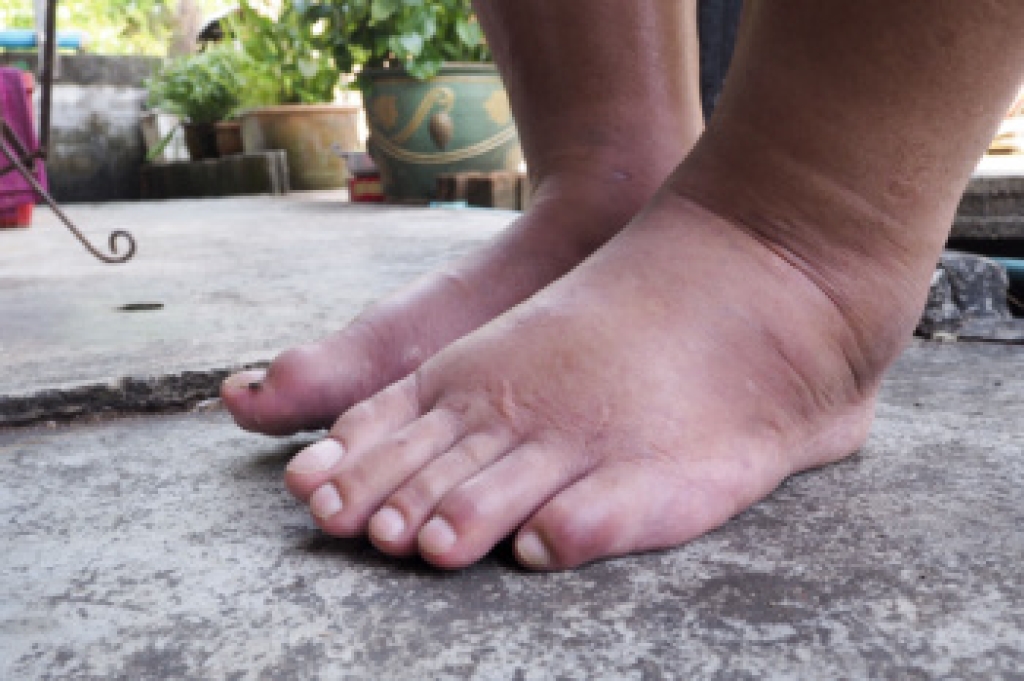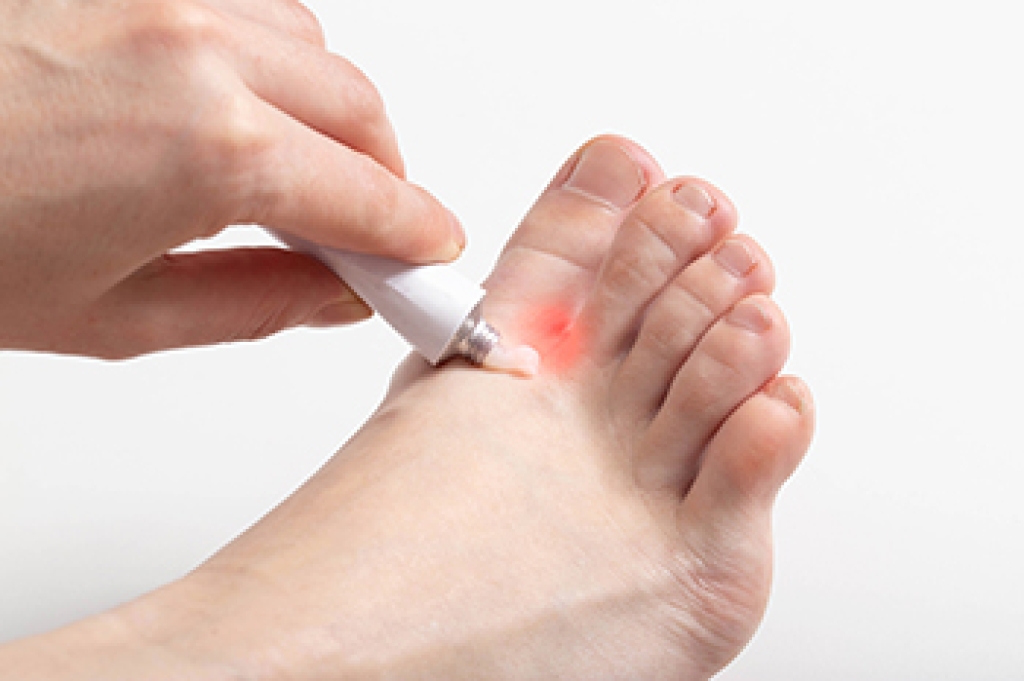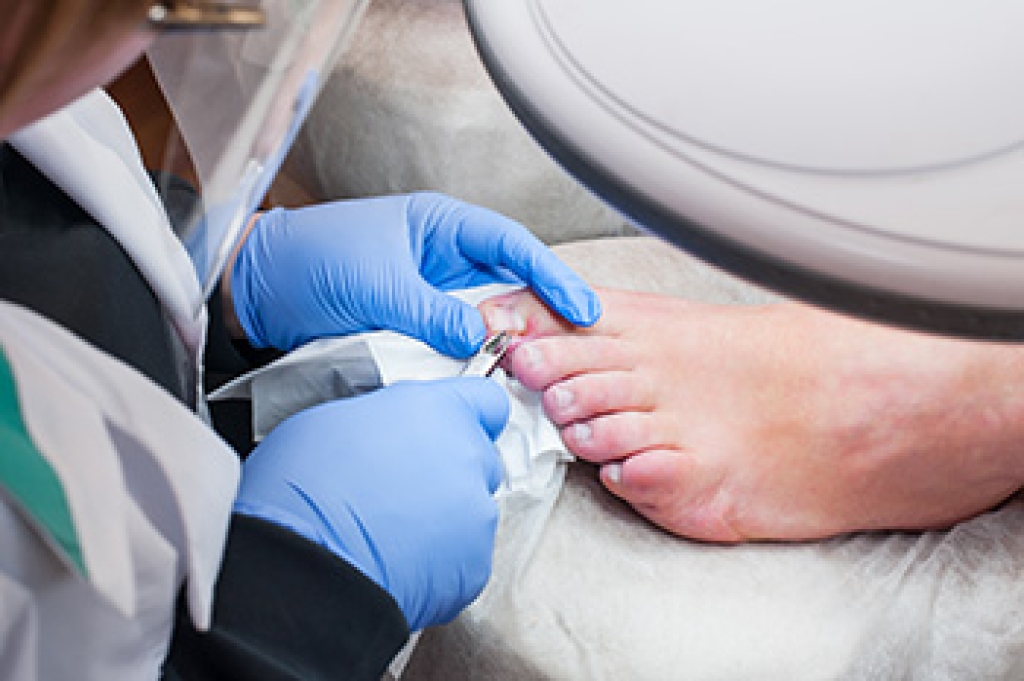
Foot pain can sometimes be caused by rheumatoid arthritis or gout, each affecting the joints in different ways. Rheumatoid arthritis is an autoimmune condition that often causes pain, swelling, and stiffness in multiple joints. The joints may feel warm, appear swollen, and become increasingly stiff, especially in the morning or after rest. Over time, joint shape may change, leading to deformities and difficulty walking. Gout typically presents as a sudden and intense attack of pain, often affecting the big toe. The joint may become red, hot, and extremely tender, sometimes developing overnight. This occurs due to a buildup of uric acid crystals in the joint. A podiatrist can help distinguish between these conditions through examination and testing. They can then coordinate care that may include medication, supportive footwear, and custom orthotics to protect the joints. If you have foot pain from rheumatoid arthritis or gout, it is suggested that you make an appointment with a podiatrist.
Because RA affects more than just your joints, including the joints in your feet and ankles, it is important to seek early diagnosis from your podiatrist if you feel like the pain in your feet might be caused by RA. For more information, contact Tanya R. Sellers-Hannibal, DPM of Maryland. Our doctor will assist you with all of your podiatric concerns.
What Is Rheumatoid Arthritis?
Rheumatoid Arthritis (RA) is an autoimmune disorder in which the body’s own immune system attacks the membranes surrounding the joints. Inflammation of the lining and eventually the destruction of the joint’s cartilage and bone occur, causing severe pain and immobility.
Rheumatoid Arthritis of the Feet
Although RA usually attacks multiple bones and joints throughout the entire body, almost 90 percent of cases result in pain in the foot or ankle area.
Symptoms
- Swelling and pain in the feet
- Stiffness in the feet
- Pain on the ball or sole of feet
- Joint shift and deformation
Diagnosis
Quick diagnosis of RA in the feet is important so that the podiatrist can treat the area effectively. Your doctor will ask you about your medical history, occupation, and lifestyle to determine the origin of the condition. Rheumatoid Factor tests help to determine if someone is affected by the disease.
If you have any questions, please feel free to contact our office located in Owings Mills, MD . We offer the newest diagnostic and treatment technologies for all your foot care needs.