
Hammertoe and Preventing Painful Toe Deformities

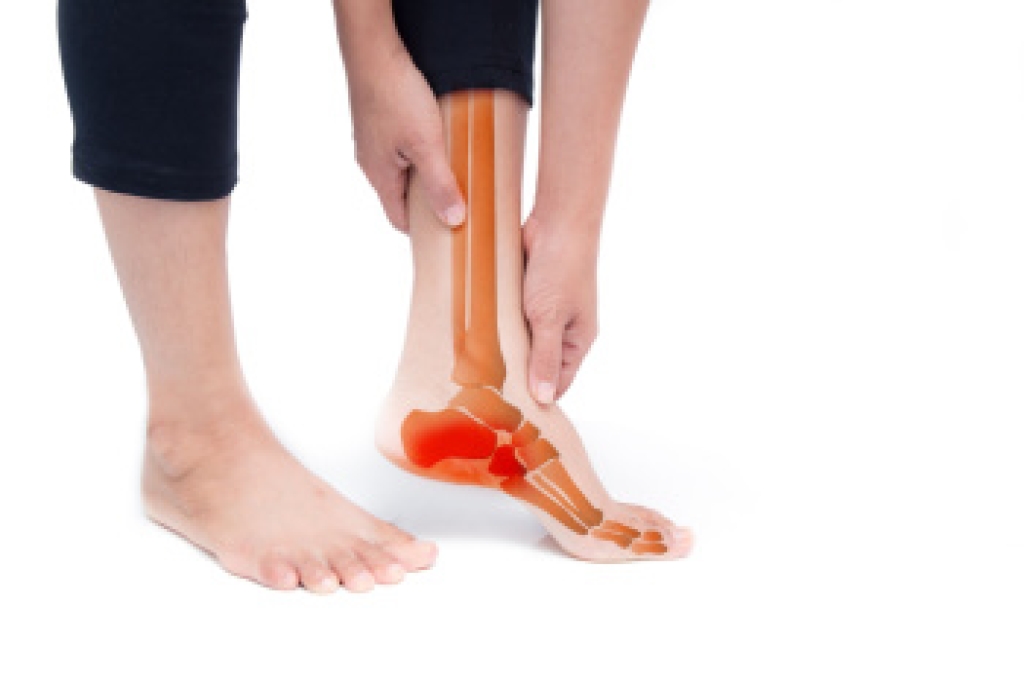
Hammertoe is a toe deformity in which one or more toes bend abnormally at the middle joint, causing a claw-like appearance. The condition often develops due to wearing shoes that are too tight, narrow, or high-heeled, which forces the toes into a bent position over time. Women are particularly prone to developing hammertoes because of fashionable footwear choices. Symptoms may include pain, corns or calluses on the top of the bent toe, swelling, redness, and difficulty walking or fitting into shoes comfortably. Risk factors include genetics, age, diabetes, and previous foot injuries. A podiatrist can provide evaluation, custom orthotics, footwear recommendations, and treatment options. If you have symptoms of hammertoe, it is suggested that you consult a podiatrist to restore comfort and proper toe alignment.

Hammertoes can be a painful condition to live with. For more information, contact Tanya R. Sellers-Hannibal, DPM of Maryland. Our doctor will answer any of your foot- and ankle-related questions.

Hammertoe

Hammertoe is a foot deformity that occurs due to an imbalance in the muscles, tendons, or ligaments that normally hold the toe straight. It can be caused by the type of shoes you wear, your foot structure, trauma, and certain disease processes.

Symptoms

  • Painful and/or difficult toe movement
  • Swelling
  • Joint stiffness
  • Calluses/Corns
  • Physical deformity

Risk Factors

  • Age – The risk of hammertoe increases with age
  • Sex – Women are more likely to have hammertoe compared to men
  • Toe Length – You are more likely to develop hammertoe if your second toe is longer than your big toe
  • Certain Diseases – Arthritis and diabetes may make you more likely to develop hammertoe

Treatment

If you have hammertoe, you should change into a more comfortable shoe that provides enough room for your toes. Exercises such as picking up marbles may strengthen and stretch your toe muscles. Nevertheless, it is important to seek assistance from a podiatrist in order to determine the severity of your hammertoe and see which treatment option will work best for you.

If you have any questions, please feel free to contact our office located in Owings Mills, MD . We offer the newest diagnostic and treatment technologies for all your foot care needs.

Read more about Hammertoe

Ankle Fracture? Don’t Wait for Treatment

If you're suffering from an ankle fracture, professional attention shouldn't wait. Fractures may worsen over time and can make completing everyday activities incredibly difficult. See your specialist for treatment and guidance through the healing process. 

How Beginners Can Choose the Right Running Shoes

Buying running shoes as a beginner requires careful attention to comfort, support, and proper fit. The right pair should feel comfortable immediately, with enough room in the toe box and secure support around the heel. Look for cushioning that matches your activity level and provides shock absorption without feeling unstable. A good fit allows natural foot movement while preventing slipping or pressure points. Quality running shoes are important because they help reduce stress on joints, improve alignment, and lower the risk of common overuse injuries. Trying shoes on later in the day, when feet are slightly swollen, can improve fit. A podiatrist can assess your foot type and gait to recommend suitable options. If you have foot or ankle pain from wearing the wrong running shoes, it is suggested that you consult a podiatrist who can offer effective treatment solutions, and offer additional guidance on selecting the right running shoes.

If you are a runner, wearing the right running shoe is essential. For more information, contact Tanya R. Sellers-Hannibal, DPM from Maryland. Our doctor can provide the care you need to keep you pain-free and on your feet.

Choosing the Right Running Shoe for Your Foot Type

To increase performance and avoid the risk of injury, it is important to choose the right running shoe based on your foot type. The general design of running shoes revolves around pronation, which is how the ankle rolls from outside to inside when the foot strikes the ground.

  • Neutral runners are able to choose from a wide variety of shoes, including minimalist shoes or even going barefoot.
  • Runners who overpronate, or experience an over-abundance of ankle rolling, should choose shoes that provide extra motion control and stability.
  • Runners who underpronate, or supinate, have feet that have high arches and lack flexibility, preventing shock absorption. They require shoes with more flexibility and cushion.

If you have any questions, please feel free to contact our office located in Owings Mills, MD . We offer the newest diagnostic and treatment technologies for all your foot care needs.
Read more about Walking Shoes vs. Running Shoes

Weight Loss and Its Impact on Osteoarthritis Pain

Osteoarthritis is a common joint condition that often affects the feet, ankles, knees, and hips. Excess body weight increases stress on weight-bearing joints, accelerating cartilage wear and worsening inflammation. Even modest weight gain can significantly increase pressure through the lower extremities with every step. Over time, this added load may lead to stiffness, swelling, and chronic foot pain that limits mobility and daily activity. Weight loss can play a meaningful role in managing osteoarthritis symptoms. Reducing body weight helps decrease joint stress, improve walking comfort, and slow disease progression. Many people notice less pain and improved endurance with gradual, sustainable weight reduction. Low-impact exercise, wearing supportive footwear, and orthotics may further protect the joints while remaining active. Weight management also supports overall joint health and balance, lowering fall risk. When osteoarthritis-related foot pain persists or worsens, it is suggested that you seek an evaluation by a podiatrist who can help guide treatment options and long-term care.

Arthritis can be a difficult condition to live with. If you are seeking treatment, contact Tanya R. Sellers-Hannibal, DPM from Maryland. Our doctor can provide the care you need to keep you pain-free and on your feet.

Arthritic Foot Care  

Arthritis is a term that is commonly used to describe joint pain.  The condition itself can occur to anyone of any age, race, or gender, and there are over 100 types of it.  Nevertheless, arthritis is more commonly found in women compared to men, and it is also more prevalent in those who are overweight. The causes of arthritis vary depending on which type of arthritis you have. Osteoarthritis for example, is often caused by injury, while rheumatoid arthritis is caused by a misdirected immune system.

Symptoms

  • Swelling
  • Pain
  • Stiffness
  • Decreased Range of Motion

Arthritic symptoms range in severity, and they may come and go. Some symptoms stay the same for several years but could potentially get worse with time. Severe cases of arthritis can prevent its sufferers from performing daily activities and make walking difficult.

Risk Factors

  • Occupation – Occupations requiring repetitive knee movements have been linked to osteoarthritis
  • Obesity – Excess weight can contribute to osteoarthritis development
  • Infection – Microbial agents can infect the joints and trigger arthritis
  • Joint Injuries – Damage to joints may lead to osteoarthritis
  • Age – Risk increases with age
  • Gender –Most types are more common in women
  • Genetics – Arthritis can be hereditary

If you suspect your arthritis is affecting your feet, it is crucial that you see a podiatrist immediately. Your doctor will be able to address your specific case and help you decide which treatment method is best for you.

If you have any questions please feel free to contact our office located in Owings Mills, MD . We offer the newest diagnostic tools and technology to treat your foot and ankle needs.

Read more about How to Care for Your Arthritic Foot

How a Podiatrist Can Help Athlete’s Foot

Athlete’s foot is a contagious fungal infection that affects the skin on the feet, particularly between the toes. It develops in warm, moist environments and is commonly caused by walking barefoot in public showers, locker rooms, or around pools. Risk factors include wearing tight or non-breathable shoes, excessive sweating, and compromised immune function. Symptoms often include itching, redness, peeling, burning, and cracking of the skin. Preventive measures include keeping feet clean and dry, changing socks regularly, wearing breathable shoes, and avoiding walking barefoot in shared spaces. A podiatrist can diagnose athlete’s foot, provide effective antifungal treatment, and recommend strategies to prevent recurrence. If you notice persistent itching or skin changes on your feet, it is suggested that you consult a podiatrist who can treat this condition, which may include prescribed medication.

Athlete’s Foot

Athlete’s foot is often an uncomfortable condition to experience. Thankfully, podiatrists specialize in treating athlete’s foot and offer the best treatment options. If you have any questions about athlete’s foot, consult with Tanya R. Sellers-Hannibal, DPM from Maryland. Our doctor will assess your condition and provide you with quality treatment.

What Is Athlete’s Foot?

Tinea pedis, more commonly known as athlete’s foot, is a non-serious and common fungal infection of the foot. Athlete’s foot is contagious and can be contracted by touching someone who has it or infected surfaces. The most common places contaminated by it are public showers, locker rooms, and swimming pools. Once contracted, it grows on feet that are left inside moist, dark, and warm shoes and socks.

Prevention

The most effective ways to prevent athlete’s foot include:

  • Thoroughly washing and drying feet
  • Avoid going barefoot in locker rooms and public showers
  • Using shower shoes in public showers
  • Wearing socks that allow the feet to breathe
  • Changing socks and shoes frequently if you sweat a lot

Symptoms

Athlete’s foot initially occurs as a rash between the toes. However, if left undiagnosed, it can spread to the sides and bottom of the feet, toenails, and if touched by hand, the hands themselves. Symptoms include:

  • Redness
  • Burning
  • Itching
  • Scaly and peeling skin

Diagnosis and Treatment

Diagnosis is quick and easy. Skin samples will be taken and either viewed under a microscope or sent to a lab for testing. Sometimes, a podiatrist can diagnose it based on simply looking at it. Once confirmed, treatment options include oral and topical antifungal medications.

If you have any questions, please feel free to contact our office located in Owings Mills, MD . We offer the newest diagnostic and treatment technologies for all your foot care needs.
Read more about How to Deal with Athlete's Foot

Connect With Us

scroll to top