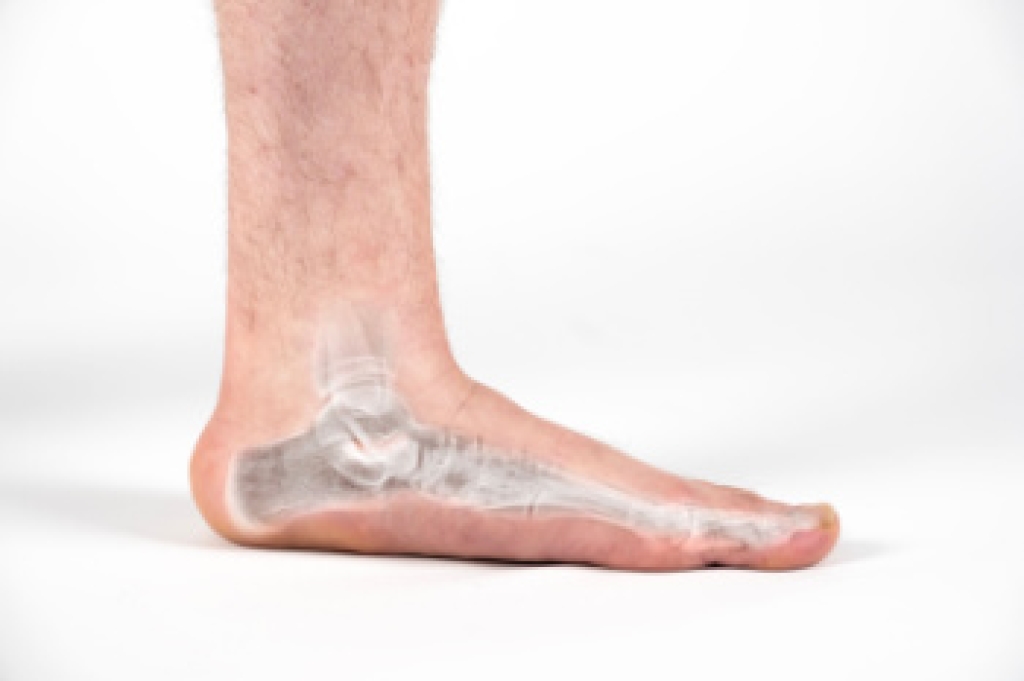
Foot Stress Fractures From Repetitive Impact

A foot stress fracture is a small crack in a bone that develops gradually due to repetitive force rather than a single injury. It commonly affects runners, athletes, and individuals who spend long hours on their feet. These fractures often occur in the metatarsal bones and are linked to repeated impact without enough recovery time. Causes include sudden increases in running intensity, changes in surface such as moving from soft ground to pavement, and wearing improper footwear. This condition may begin subtly, but can worsen if ignored.

Symptoms of a foot stress fracture usually start with mild pain that increases during activity. Over time, the pain may become constant and more localized. Swelling and tenderness are common, and the affected area may feel extremely sensitive to touch. Some individuals notice discomfort even during normal walking or standing. Unlike a soft tissue injury, the pain often persists despite rest, which can signal a more serious underlying issue.


Risk factors include age-related bone loss, which can reduce bone strength and increase vulnerability to fractures. Nutritional deficiencies, especially low calcium or vitamin D intake, may also weaken bones. Additional risk factors include overtraining, poor biomechanics, and a history of previous fractures. Wearing worn out or unsupportive shoes can further increase stress on the foot and contribute to injury.


Early recognition and proper care are essential for healing. Treatment often involves rest, activity modification, and wearing supportive footwear. In some cases, immobilization may be necessary to allow the bone to recover. Ignoring symptoms can lead to more severe injury and longer recovery time. If you have a foot stress fracture or suspect one due to consistent pain and swelling, it is suggested that you consult a podiatrist for effective relief and treatment solutions.

Stress fractures occur when there is a tiny crack within a bone. To learn more, contact Tanya R. Sellers-Hannibal, DPM from Maryland. Our doctor can provide the care you need to keep you pain free and on your feet.

How Are They Caused?

Stress fractures are the result of repetitive force being placed on the bone. Since the lower leg and feet often carry most of the body’s weight, stress fractures are likely to occur in these areas. If you rush into a new exercise, you are more likely to develop a stress fracture since you are starting too much, too soon.  Pain resulting from stress fractures may go unnoticed at first, however it may start to worsen over time.

Risk Factors

  • Gender – They are more commonly found in women compared to men.
  • Foot Problems – People with unusual arches in their feet are more likely to develop stress fractures.
  • Certain Sports – Dancers, gymnasts, tennis players, runners, and basketball players are more likely to develop stress fractures.
  • Lack of Nutrients – A lack of vitamin D and calcium may weaken the bones and make you more prone to stress fractures
  • Weak Bones – Osteoporosis can weaken the bones therefore resulting in stress fractures

Stress fractures do not always heal properly, so it is important that you seek help from a podiatrist if you suspect you may have one. Ignoring your stress fracture may cause it to worsen, and you may develop chronic pain as well as additional fractures.

If you have any questions please contact our office located in Owings Mills, MD . We offer the newest diagnostic and treatment technologies for all your foot and ankle needs.

Read more about Stress Fractures of the Foot and Ankle

When Foot Surgery Becomes Part of Treatment

Procedures involving the feet and ankles have become more common as treatment options for painful structural problems continue to improve. Conditions such as bunions, joint damage, tendon injuries, and alignment issues can interfere with walking and place abnormal stress on the lower extremities. When nonoperative care no longer provides relief, a surgical approach may be considered to improve function, reduce pain, and restore more natural movement. Modern techniques have allowed for more precise correction of many foot conditions, but recovery still requires careful monitoring. Imaging studies often play an important role after an operation by helping podiatrists evaluate healing, hardware placement, and any unexpected changes during recovery. While many patients heal well, complications such as infection, delayed healing, nerve irritation, or incomplete correction can occur. If chronic foot or ankle problems are limiting mobility, it is suggested that you visit a podiatrist for evaluation and treatment, which may include surgery.

Foot surgery is sometimes necessary to treat a foot ailment. To learn more, contact Tanya R. Sellers-Hannibal, DPM of Maryland. Our doctor will assist you with all of your foot and ankle needs.

When Is Surgery Necessary?

Foot and ankle surgery is generally reserved for cases in which less invasive, conservative procedures have failed to alleviate the problem. Some of the cases in which surgery may be necessary include:

  • Removing foot deformities like bunions and bone spurs
  • Severe arthritis that has caused bone issues
  • Cosmetic reconstruction

What Types of Surgery Are There?

The type of surgery you receive will depend on the nature of the problem you have. Some of the possible surgeries include:

  • Bunionectomy for painful bunions
  • Surgical fusion for realignment of bones
  • Neuropathy decompression surgery to treat nerve damage

Benefits of Surgery

Although surgery is usually a last resort, it can provide more complete pain relief compared to non-surgical methods and may allow you to finally resume full activity.

Surgical techniques have also become increasingly sophisticated. Techniques like endoscopic surgery allow for smaller incisions and faster recovery times.

If you have any questions, please feel free to contact our office located in Owings Mills, MD . We offer the newest diagnostic and treatment technologies for all your foot care needs.


Read more about Foot and Ankle Surgery

Wounds That Don't Heal Need to Be Checked

Your feet are covered most of the day. If you're diabetic, periodic screening is important for good health. Numbness is often a sign of diabetic foot and can mask a sore or wound.

Caring for a Broken Ankle

A broken ankle is a serious injury that can affect the bones that form the ankle joint and make standing or walking extremely difficult. It often occurs after a fall, a sports injury, or a motor vehicle accident, although the severity can vary from one person to another. Some fractures involve a small crack in the bone, while others may cause the bones to shift out of their normal position. A broken ankle may also damage nearby ligaments and other soft tissues, making the injury more complex. Because ankle fractures can affect joint stability and long-term mobility, prompt evaluation and treatment are important. Early diagnosis may also help reduce the risk of complications and support proper healing.


Symptoms of a broken ankle usually develop immediately after the injury. Many people experience severe pain, swelling, or bruising around the ankle. Others find it difficult or impossible to put weight on the affected foot. The ankle may appear misshapen if the bones have moved out of alignment. Some individuals also notice tenderness or reduced range of motion because of pain and swelling. Since a severe sprain and a broken ankle can produce similar symptoms, a professional examination and imaging studies are often needed to confirm the diagnosis. Receiving timely care can help protect the joint and improve recovery.


A podiatrist is trained to diagnose and treat broken ankles and other foot and ankle injuries. During an evaluation, the podiatrist examines the ankle, reviews the injury, and determines the most appropriate treatment plan based on the type of fracture. Treatment focuses on restoring proper alignment, protecting the injured area, and supporting normal healing. Ongoing care also helps monitor recovery and improve ankle function as healing progresses. If you are experiencing severe ankle pain, swelling, or difficulty bearing weight after an injury, it is suggested that you consult a podiatrist for an evaluation and appropriate treatment options.

Broken ankles need immediate treatment. If you are seeking treatment, contact Tanya R. Sellers-Hannibal, DPM from Maryland. Our doctor can provide the care you need to keep you pain-free and on your feet. 

Broken Ankles
A broken ankle is experienced when a person fractures their tibia or fibula in the lower leg and ankle area. Both of these bones are attached at the bottom of the leg and combine to form what we know to be our ankle.

When a physician is referring to a break of the ankle, he or she is usually referring to a break in the area where the tibia and fibula are joined to create our ankle joint. Ankles are more prone to fractures because the ankle is an area that suffers a lot of pressure and stress. There are some obvious signs when a person experiences a fractured ankle, and the following symptoms may be present.

Symptoms of a Fractured Ankle

  • Excessive pain when the area is touched or when any pressure is placed on the ankle
  • Swelling around the area
  • Bruising of the area
  • Area appears to be deformed

If you suspect an ankle fracture, it is recommended to seek treatment as soon as possible. The sooner you have your podiatrist diagnose the fracture, the quicker you’ll be on the way towards recovery.

If you have any questions, please feel free to contact our office located in Owings Mills, MD . We offer the newest diagnostic and treatment technologies for all your foot care needs.

Read more about All About Broken Ankle

Common Causes of Foot Pain and Their Symptoms

Foot pain is a widespread condition that can affect mobility and quality of life. It may develop from structural issues, infections, or overuse injuries. Some of the most common causes include plantar fasciitis, athlete's foot, and hammertoe deformities. Each condition affects the foot differently, but all can lead to discomfort and difficulty with daily activities. Understanding these conditions helps patients recognize symptoms early and seek appropriate care.

Plantar fasciitis is defined as inflammation of the plantar fascia, a thick band of tissue that supports the arch of the foot. It often causes sharp heel pain, especially with the first steps in the morning. Bunions are bony enlargements that form at the base of the big toe, leading to swelling, redness, and joint misalignment. Athlete’s foot is a fungal infection that affects the skin, causing itching, peeling, and cracking between the toes. Additionally, hammertoe is a deformity where a toe becomes bent at the middle joint, leading to pain, corns, and difficulty wearing shoes.


The causes of these conditions vary, but often involve repetitive stress, wearing improper footwear, and biomechanical imbalances. Plantar fasciitis is commonly linked to overuse and tight calf muscles. Bunions may develop due to genetics and pressure from narrow shoes. Athlete’s foot thrives in warm, moist environments such as sweaty footwear. Hammertoe can result from muscle imbalance or long-term use of tight-fitting shoes that crowd the toes.


Risk factors include prolonged standing, high-impact activities, obesity, and wearing poorly fitted shoes. Early intervention can prevent these conditions from worsening. Supportive footwear, proper hygiene, and regular foot care play an important role in prevention. If you have foot pain, it is suggested that you consult a podiatrist for an accurate diagnosis and appropriate treatment to maintain healthy and pain-free feet.

Foot Pain

Foot pain can be extremely painful and debilitating. If you have a foot pain, consult with Tanya R. Sellers-Hannibal, DPM from Maryland. Our doctor will assess your condition and provide you with quality foot and ankle treatment.

Causes

Foot pain is a very broad condition that could be caused by one or more ailments. The most common include:

  • Bunions
  • Hammertoes
  • Plantar Fasciitis
  • Bone Spurs
  • Corns
  • Tarsal Tunnel Syndrome
  • Ingrown Toenails
  • Arthritis (such as Gout, Rheumatoid, and Osteoarthritis)
  • Flat Feet
  • Injury (from stress fractures, broken toe, foot, ankle, Achilles tendon ruptures, and sprains)
  • And more

Diagnosis

To figure out the cause of foot pain, podiatrists utilize several different methods. This can range from simple visual inspections and sensation tests to X-rays and MRI scans. Prior medical history, family medical history, and any recent physical traumatic events will all be taken into consideration for a proper diagnosis.

Treatment

Treatment depends upon the cause of the foot pain. Whether it is resting, staying off the foot, or having surgery; podiatrists have a number of treatment options available for foot pain.

If you have any questions, please feel free to contact our office located in Owings Mills, MD . We offer the newest diagnostic and treatment technologies for all your foot care needs.

Read more about Foot Pain

Connect With Us

scroll to top