Foot Pain Caused by Ice Skates

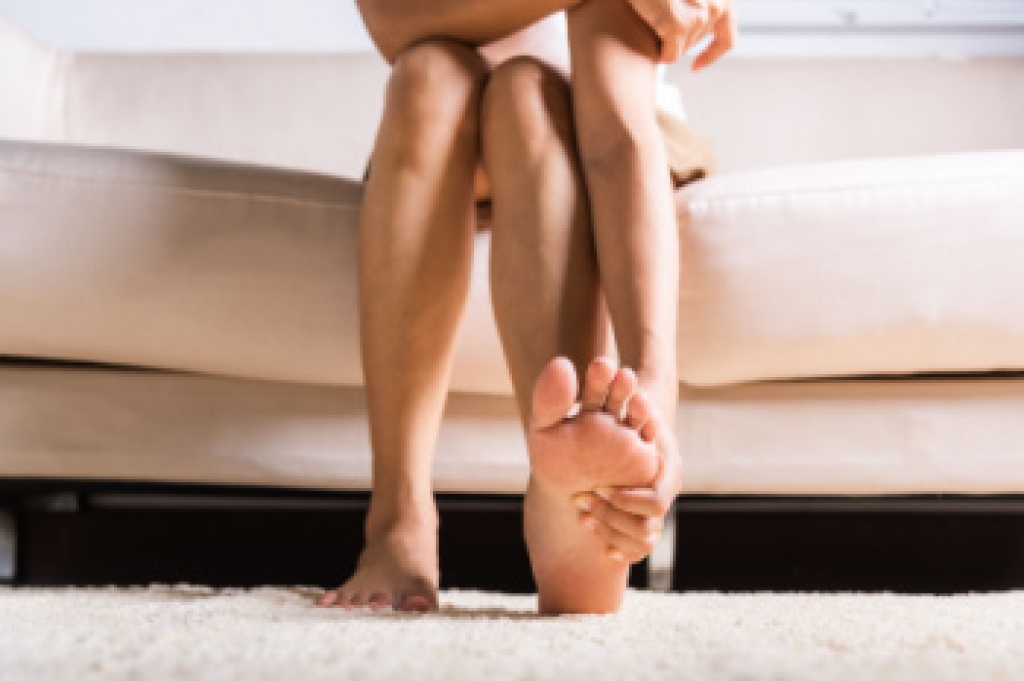
Ice skating places unique pressure on the feet and ankles. It can cause pain when stiff boots press against the front of the ankle, or when the tongue of the skate irritates the tendons that run down into the toes. This pressure can lead to a condition known as “lace bite,” which is irritation caused by tight laces or a rigid skate tongue that pushes into the top of the foot. Symptoms include aching across the front of the ankle, swelling, or a bruised feeling even when no bruise is visible. Skates that lack adequate support, new skates that are not fully broken in, or very tight lacing can increase strain on the tendons that help lift the foot. A podiatrist can evaluate the source of pain, check for tendon irritation, and recommend the best treatment. In severe cases, surgery may be suggested if damage is significant. If you frequently experience foot or ankle pain after ice skating, it is suggested that you make an appointment with a podiatrist for a diagnosis and treatment.

Ankle and foot injuries are common among athletes and in many sports. They can be caused by several problems and may be potentially serious. If you are feeling pain or think you were injured in a sporting event or when exercising, consult with Tanya R. Sellers-Hannibal, DPM from Maryland. Our doctor will assess your condition and provide you with quality foot and ankle treatment.

Common Injuries

The most common injuries that occur in sporting activities include:

  • Achilles Tendonitis
  • Achilles Tendon Rupture
  • Ankle Sprains
  • Broken Foot
  • Plantar Fasciitis
  • Stress Fractures
  • Turf Toe

Symptoms

Symptoms vary depending upon the injury and in some cases, there may be no symptoms at all. However, in most cases, some form of symptom is experienced. Pain, aching, burning, bruising, tenderness, tightness or stiffness, sensation loss, difficulty moving, and swelling are the most common symptoms.

Treatment

Just as symptoms vary depending upon the injury, so do treatment options. A common treatment method is known as the RICE method. This method involves rest, applying ice, compression and elevating the afflicted foot or ankle. If the injury appears to be more serious, surgery might be required, such as arthroscopic or reconstructive surgery. Lastly, rehabilitation or therapy might be needed to gain full functionality in the afflicted area. Any discomfort experienced by an athlete must be evaluated by a licensed, reputable medical professional.  

If you have any questions please contact our office located in Owings Mills, MD . We offer the newest diagnostic and treatment technologies for all your foot and ankle needs.

Read more about Sports Related Foot and Ankle Injuries

Caring for a Broken Toe and Preventing Complications

A broken toe occurs when one of the small bones in the toe cracks or breaks, often due to stubbing, dropping a heavy object, or direct trauma during sports or accidents. It may look swollen, bruised, or misaligned, and in severe cases, the toe may appear bent or deformed. Many individuals describe immediate sharp pain, tenderness, and difficulty walking or bearing weight on the affected foot. Even minor toe fractures can affect balance and gait if left untreated, potentially causing long-term foot problems. A podiatrist can begin by examining the toe, assessing movement and alignment, and using X-rays or other imaging to confirm the fracture. Treatment may include buddy taping, protective footwear, splints, or in severe cases minor surgical intervention to realign the bone. Early professional care can help ensure proper healing, reduce pain, and prevent complications. If you suspect a broken toe, it is suggested that you make an appointment with a podiatrist.

Broken toes may cause a lot of pain and should be treated as soon as possible. If you have any concerns about your feet, contact Tanya R. Sellers-Hannibal, DPM from Maryland. Our doctor will treat your foot and ankle needs.

What Is a Broken Toe?

A broken toe occurs when one or more of the toe bones of the foot are broken after an injury. Injuries such as stubbing your toe or dropping a heavy object on it may cause a toe fracture.

Symptoms of a Broken Toe

  • Swelling
  • Pain (with/without wearing shoes)
  • Stiffness
  • Nail Injury

Although the injured toe should be monitored daily, it is especially important to have a podiatrist look at your toe if you have severe symptoms. Some of these symptoms include worsening or new pain that is not relieved with medication, sores, redness, or open wounds near the toe.

If you have any questions please feel free to contact our office located in Owings Mills, MD . We offer the newest diagnostic tools and technology to treat your foot and ankle needs.

Read more about What to Know About a Broken Toe

Navigating the Discomfort of Morton’s Neuroma

Morton’s neuroma is a painful condition that develops when the tissue around a nerve between the toes thickens, often due to pressure from tight shoes, high heels, or repetitive impact activities. It may look subtle from the outside, but many people feel a sharp, burning, or tingling sensation in the ball of the foot that can radiate into the toes. Some describe the feeling as standing on a pebble or having a fold in the sock that will not smooth out. Swelling is sometimes present, although it is not always visible. Morton’s neuroma most commonly occurs between the third and fourth toes, likely because this area experiences the greatest compression during walking. A podiatrist can diagnose the condition through a physical exam, gait evaluation, and imaging if needed. Treatment options may include footwear modifications, custom orthotics, anti-inflammatory therapies, or targeted injections to reduce nerve irritation. If you experience persistent forefoot pain or numbness, it is suggested that you make an appointment with a podiatrist.

Morton’s neuroma is a very uncomfortable condition to live with. If you think you have Morton’s neuroma, contact Tanya R. Sellers-Hannibal, DPM of Maryland. Our doctor will attend to all of your foot care needs and answer any of your related questions.  

Morton’s Neuroma

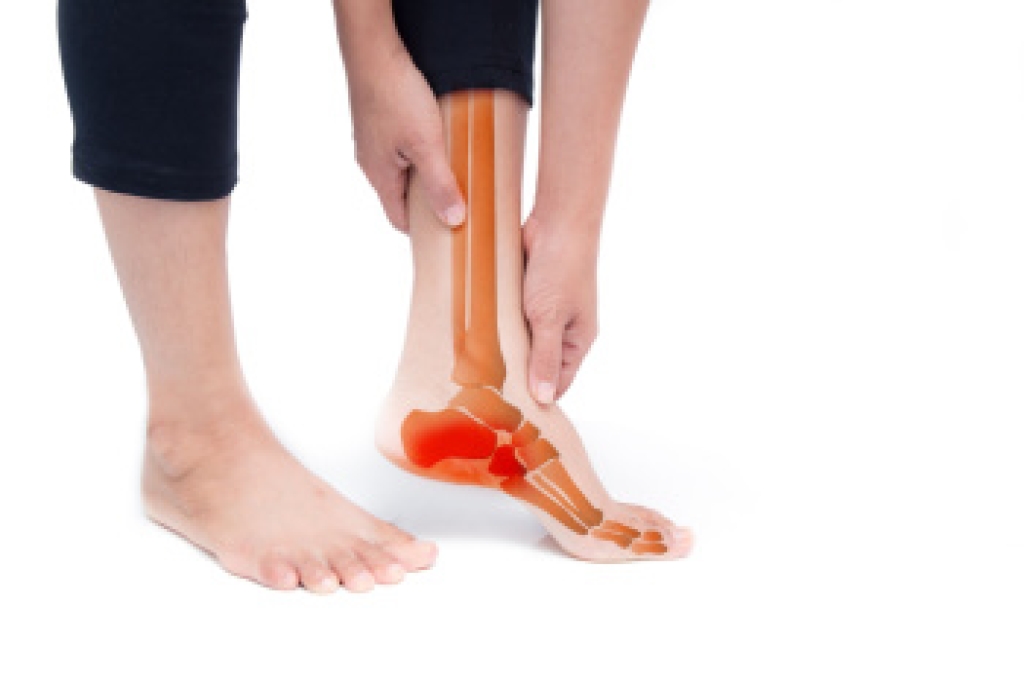
Morton's neuroma is a painful foot condition that commonly affects the areas between the second and third or third and fourth toe, although other areas of the foot are also susceptible. Morton’s neuroma is caused by an inflamed nerve in the foot that is being squeezed and aggravated by surrounding bones.

What Increases the Chances of Having Morton’s Neuroma?

  • Ill-fitting high heels or shoes that add pressure to the toe or foot
  • Jogging, running or any sport that involves constant impact to the foot
  • Flat feet, bunions, and any other foot deformities

Morton’s neuroma is a very treatable condition. Orthotics and shoe inserts can often be used to alleviate the pain on the forefront of the feet. In more severe cases, corticosteroids can also be prescribed. In order to figure out the best treatment for your neuroma, it’s recommended to seek the care of a podiatrist who can diagnose your condition and provide different treatment options.

If you have any questions, please feel free to contact our office located in Owings Mills, MD . We offer the newest diagnostic and treatment technologies for all your foot care needs.

Read more about What is Morton's Neuroma?

Prioritize Your Feet

Our feet are complex and vital structures that often go underappreciated until pain or issues arise. Comprising 26 bones, 33 joints, and an intricate network of nerves and blood vessels, our feet provide the stability and balance essential for every step. Ignoring their health can lead to a range of issues, from mild discomfort to serious conditions, especially in those with diabetes, where foot complications can escalate quickly. Wearing well-fitted shoes and regularly visiting a podiatrist are important steps to ensure optimal foot health, allowing us to prevent or manage issues early. Focusing on foot care helps us maintain mobility and independence, highlighting the importance of paying attention to these important yet often overlooked parts of our body. If you would like to safeguard the health of your feet, it is suggested that you schedule appointments with a podiatrist for routine exams.

Everyday foot care is very important to prevent infection and other foot ailments. If you need your feet checked, contact Tanya R. Sellers-Hannibal, DPM from Maryland. Our doctor can provide the care you need to keep you pain-free and on your feet.

Everyday Foot Care

Often, people take care of their bodies, face and hair more so than they do for their feet. But the feet are a very important aspect of our bodies, and one that we should pay more attention to. Without our feet, we would not be able to perform most daily tasks.

It is best to check your feet regularly to make sure there are no new bruises or cuts that you may not have noticed before. For dry feet, moisturizer can easily be a remedy and can be applied as often as necessary to the affected areas. Wearing shoes that fit well can also help you maintain good foot health, as well as making it easier to walk and do daily activities without the stress or pain of ill-fitting shoes, high heels, or even flip flops. Wearing clean socks with closed shoes is important to ensure that sweat and bacteria do not accumulate within the shoe. Clean socks help to prevent Athlete’s foot, fungi problems, bad odors, and can absorb sweat.

If you have any questions, please feel free to contact our office located in Owings Mills, MD . We offer the newest diagnostic and treatment technologies for all your foot care needs.

Read more about Everyday Foot Care

Are You Suffering From Nerve Damage?

Neuropathy is a condition that can lead to numbness or loss of sensation in the feet, but it can also cause pain. This condition is more likely to develop for those who are diabetic, obese, or with high blood pressure.

Connect With Us

scroll to top